Every event planner knows that creating a concept for and designing an event from an artistic point of view are not easy tasks. Some may argue that the most interesting event jobs are those found in agencies where staff need to demonstrate knowledge and ability that goes beyond the operational aspects of events. Event planners usually excel in the more hands-one side of the job, but may have to develop new skills to adjust to the ever changing needs of the professional. Here are a few thoughts on the things event planners might want to consider .
Conventional wisdom has it that event planning relates to strategic and operational sides, i.e. event aims and objectives, purpose, audience, venue, etc. (a topic that I hope to discuss in future posts), however the view I’m taking here is that of adding value to the event through its artistic concept. The idea being that the process is taken to another level; one in which both the process itself and the tools needed for the achievement of the task set should be undertaken from an artistic angle, as this simple graphic illustration tries to demonstrate.

Event Concept Process and Tools
Process
We’ve all heard Thomas Edison’s proverbial saying about inspiration / perspiration, and event planners are fully aware of that! But what he probably never said was that inspiration requires the right atmosphere and state of mind to happen. Before conceptualising an event, event planners should engage in inspirational activities themselves. This doesn’t necessarily mean doing very highbrow stuff, but could be simple things such as attending other events, browsing the web or event going to the cinema with the inquisitive mind of somebody trying to improving on their own event designs.
It may be fair to say that not everyone (including me) is so artistically gifted as my colleague Ziad Raphael Nassar when it comes to aesthetic design, but brainstorming ideas with others is a good starting point, especially with people with a higher appreciation of the good form, be it colleagues, designers or anyone you think might bring a new insight into the project. When teaching event management students about design concept for events, we talk about Vatel and watch a few excerpts from the film by Roland Joffé that illustrate the point of both process and tools.
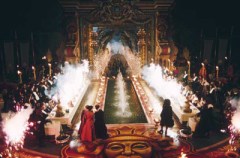
As far as technical ability goes, new technology can greatly contribute to event concept planning and has made it possible for non-pros to express their creative ideas in a way that was not possible before, unless you were a professional designer. For instance, software such as Sketchup can help planners make great 3D presentations and there are many apps for creative minds around. They do take some getting used to though, hence the perspiration aspect of inspiration.
Every concept planning process takes a lot of organisation, usually triggered by an inspirational insight or idea, but requires a great deal of managerial skills for things to actually happen; skills that are more often than not found in event managers.
Brainstorming event concepts is like telling a story and the picture is formed in our minds. Mark Rolston (Frog’s Chief Creative Officer) sees storytelling as consisting of three core lenses: narrative, parametric, and experiential. The first relates to the description of user’s experience, the second is the physical description of our design while the last one is about how we let our concepts tell a story and is perhaps best seen as the tools that made concept ideas come to life.
Tools
When was the last time that you organised an event where the mode of transport was part of the experience? I remember one of a case study I used with students of Microsoft’s Xbox launch in Amsterdam a few years back. Transport from the hotel to the venue using canal boats was part of the event experience. This gave delegates a different view of that wonderful city and helped set the mood for the fantastic event that followed. On a more recent rendition of the event, Julia Zarro (Zed Ink founder/executive creative director) explains that “everything was integrated from a design perspective, as well as a story perspective—LED, projection, lighting and scenic. This allowed the content to be much more expansive and dynamic in a new way.
We all know that choosing the right event venue is a crucial part of the event, but decorating it with the current budget constraints is another matter altogether. Sometimes simple things make all the different, and that doesn’t necessarily mean spending a small fortune on props, lighting or bespoke fittings. Decor doesn’t have to be luxurious, but as Mike Brown wrote on his blog a couple of days ago: “an event’s physical setting has to support the brand experience promise”.
Food is one of those things everyone will judge the event on. The question is always how to make F&B “speak” of the event concept for themselves. I came across Amy Nichol’s food ideas for events website the other day and thought it was highly informative. There are also many food events around where planners can get inspiration from. The same goes for music and entertainment. How about checking the local music, dance or drama school/college for ideas. You may find an excited group of students willing to put on a show at your event.
Have you got any ideas you’d like to share? Just drop us a line.

